BHARAT vs Indian Oven Bangkok: An Honest Comparison
"BHARAT vs Indian Oven" is one of the questions hotel concierges in Huai Khwang get asked weekly. Both serve Indian food. Indian Oven's branches sit on Sukhumvit, inside the Asoke hotel walk; we are one MRT stop north of it in Huai Khwang — an 8-12 minute Grab from the Asoke intersection, or a two-minute walk if you are at Grand Mercure Bangkok Atrium. Both are reasonably priced. So how do you choose? Here's an honest answer from one of the two.
Disclosure first: this is written by the team at BHARAT Flavours Of India. We try to be fair about it. We won't pretend Indian Oven is bad — it isn't, and there are plenty of nights when we'd send a guest to either one of us depending on what they wanted. But there are real differences in how each kitchen works, and you should know them before you walk over to either restaurant.
The two restaurants in one paragraph each
Indian Oven is a long-established Indian restaurant in Bangkok with multiple locations across the city. The brand is known, the menu is broad (covering North Indian, South Indian, and Indo-Chinese), and the experience is consistent across visits. You know what you're getting. It is, for most Bangkok diners, the "default" mid-tier Indian restaurant choice. Their branch list and menu breadth here were checked against their own published menu in May 2026; prices move, so theirs is the only reliable source for today's figures.
BHARAT Flavours Of India opened in April 2026 in Huai Khwang with a more focused approach: one tradition (North Indian, anchored in Punjab), one kitchen, one chef from Uttarakhand, and a commitment to doing the slow-cooking version of every dish rather than the speed-optimised version. We are smaller. We are newer. We sit at 4.8 on Google across 164 reviews, with a steady stream of regulars from the surrounding hotels.
How we differ — six concrete points
1. The tandoor
Tandoor is the single biggest variable in Indian cooking quality. We installed a real charcoal-fired clay tandoor at 480°C — the kind found in family kitchens across Punjab. Gas convection is the common choice in Bangkok — easier to permit, safer, cheaper to run — and we chose charcoal instead. Gas tandoors cook chicken; they don't produce the smoke that makes tandoori chicken taste like tandoori chicken. We wrote a full post on this →
2. The masala
Our chef from Uttarakhand grinds masala for each preparation, fresh, in our kitchen, every morning. He refuses to use pre-mixed curry pastes or industrial spice blends. At volume, pre-mixed blends are the practical choice. We grind for each preparation instead, which is why our prep starts hours before service.
3. The paneer
We cook with fresh paneer, cubed in the kitchen before service rather than sitting in the chiller for days. What matters more than the block itself is what happens next: paneer that goes straight onto the tandoor skewer or into a hot makhani gravy stays soft, while paneer that has been reheated twice goes rubbery. That is a kitchen-discipline difference, and it shows up on the first bite.
4. The biryani approach
Our biryani is dum-cooked from raw on order — 35 to 45 minutes per order. Layered, sealed, slow-cooked under low flame. You wait, the kitchen cooks, the seal opens at your table. Many restaurants pre-cook biryani in batches and reheat to order. That saves time but loses the texture and aroma that define a real biryani. How we cook the dum biryani →
5. The menu breadth
This is where Indian Oven wins. Their menu spans North Indian, South Indian (dosa, idli, sambar), Indo-Chinese, and more. If you want dosa AND butter chicken at the same table, Indian Oven covers that. We don't do South Indian at all — beyond a short Indo-Chinese section, we are committed to doing North Indian properly rather than diluting across many traditions. Our North Indian focus →
6. The room
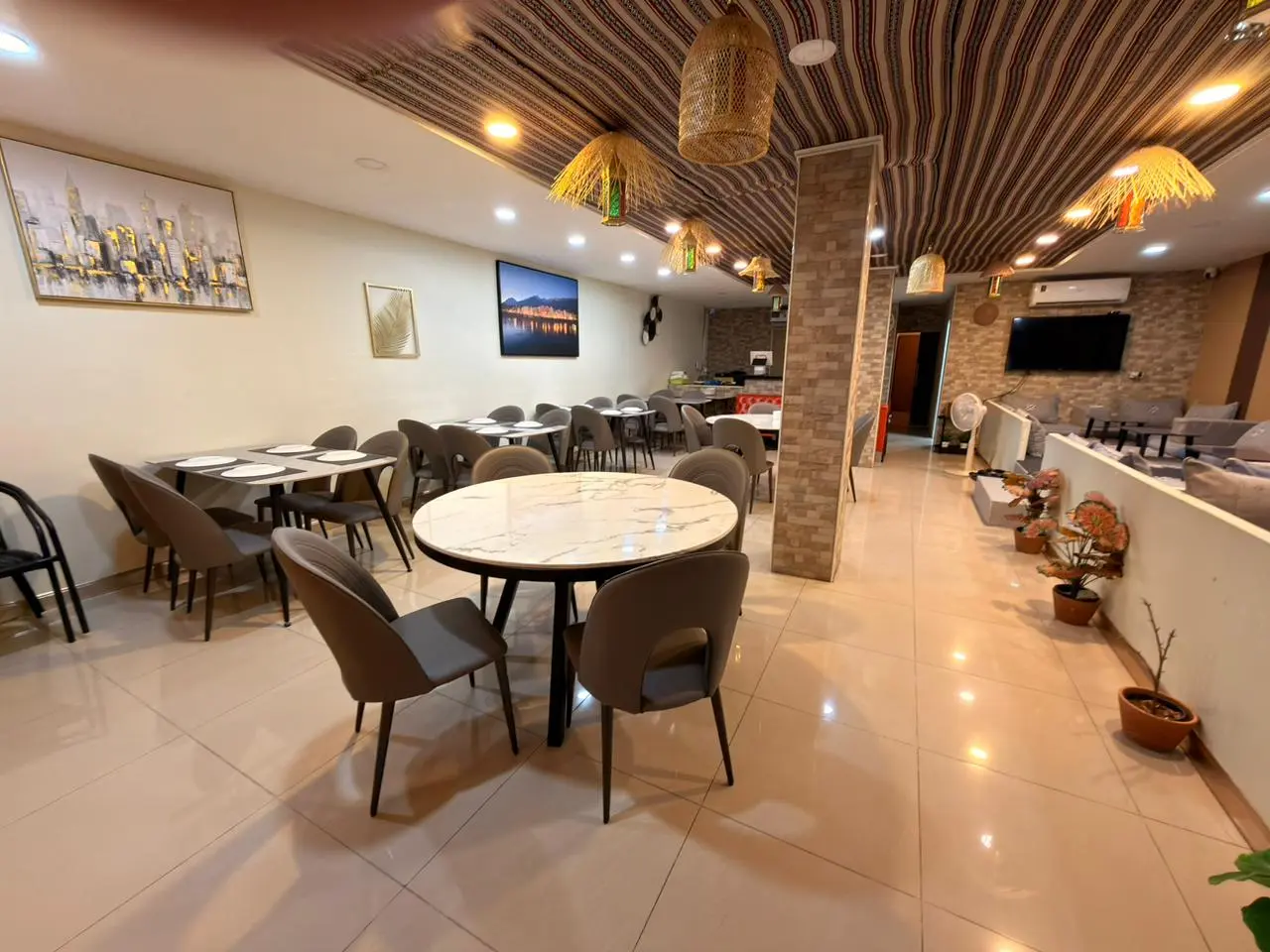
Indian Oven branches vary by location — most are larger, more banquet-style. We are a single 30-40 seat dining room with two seating styles: standard tables and a Dastarkhan-style floor corner with cushions. Smaller, quieter, more intimate. Whether that's a plus depends on what you want from dinner.
Pricing — ours, and how to check theirs
Both restaurants sit in the mid-tier price range. These are our own menu prices, as they stand today:
- Butter Chicken: ฿280 (full portion)
- Mutton Biryani: ฿340
- Garlic Naan: ฿70
- Paneer Butter Masala: ฿220
- Dal Makhani: ฿210
Expect ฿200-350 for a main at either restaurant, plus breads and rice. Neither of us is cheap eats; both are honest mid-tier pricing for the quality involved. For their current figures, check Indian Oven's own menu — we will not republish another kitchen's prices and let them go stale.
When to choose Indian Oven over us
- You want South Indian + North Indian at the same table (dosa for one, butter chicken for another).
- You're in a part of Bangkok that has an Indian Oven nearer than Huai Khwang.
- You're with a larger group (12+) and prefer the more banquet-style setup of a bigger restaurant.
- You've eaten at Indian Oven before, know what you'll get, and want familiarity tonight.
When to choose us over Indian Oven
- You want to taste what a real charcoal tandoor does to tandoori chicken or naan.
- You care about fresh paneer, cooked soft rather than reheated (try Paneer Butter Masala side by side).
- You want a proper dum biryani, cooked from raw on order, with bone-in halal goat.
- You're staying at Grand Mercure Bangkok Atrium or Avani Atrium — we're a 2-minute walk. Walking directions → From the Lancaster Bangkok and the other Sukhumvit 22 hotels it is about 5 minutes by taxi.
- You want a quieter, smaller, more intimate room with the Dastarkhan floor-seating option.
- You're a halal-conscious diner who wants to see the supplier packaging — we'll bring it out. Halal page →
The honest summary
Indian Oven is the safe, well-known, broad-menu mid-tier option. It does many things competently. If you don't want to think about where to eat, Indian Oven works.
BHARAT is the more focused, slower-cooking, narrower-menu alternative. We build the menu around North Indian, but we do it the original way — real tandoor, fresh masala, fresh paneer, dum biryani. If you care about those specifics, you'll taste the difference. If you don't, Indian Oven's broader menu probably serves you better.
The fairest answer: try both. Have dinner at one this week and the other next week. Both are halal-friendly (verify the specifics with each kitchen). Both will look after you. Pick the one whose food and room you prefer.
If you go with us, walk over from Grand Mercure (2 minutes), or take a Grab from Asoke (8-12 minutes, ฿60-80). We're open 9 AM to 11:30 PM, every day.
The dishes named in the comparison above are all on our menu, and if you are coming on a weekend evening it is worth reserving a table first — the room is small enough to fill.
More from BHARAT
If you want to read further, we go deeper into getting here from Asoke and what comes off the tandoor on their own pages.
Frequently asked
Is BHARAT better than Indian Oven?
Are both restaurants halal?
How do the two price bands compare?
Which is better for groups?
Which restaurant is closer to my hotel?
Continue reading
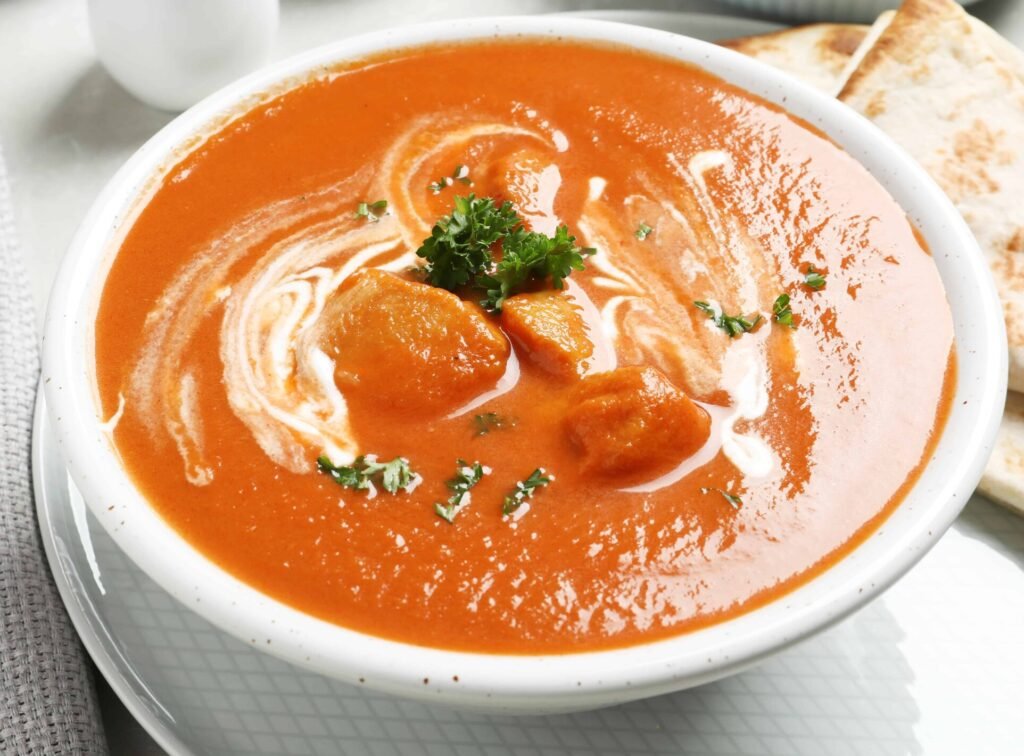
Best Butter Chicken in Bangkok: How to Tell Real Punjabi-Style From the Hotel Version
Butter chicken is the most ordered Indian dish in Bangkok — and the most often gotten wrong. Six markers that separate real Punjabi makhani from the generic version, plus where to find the real thing in Huai Khwang.
Read →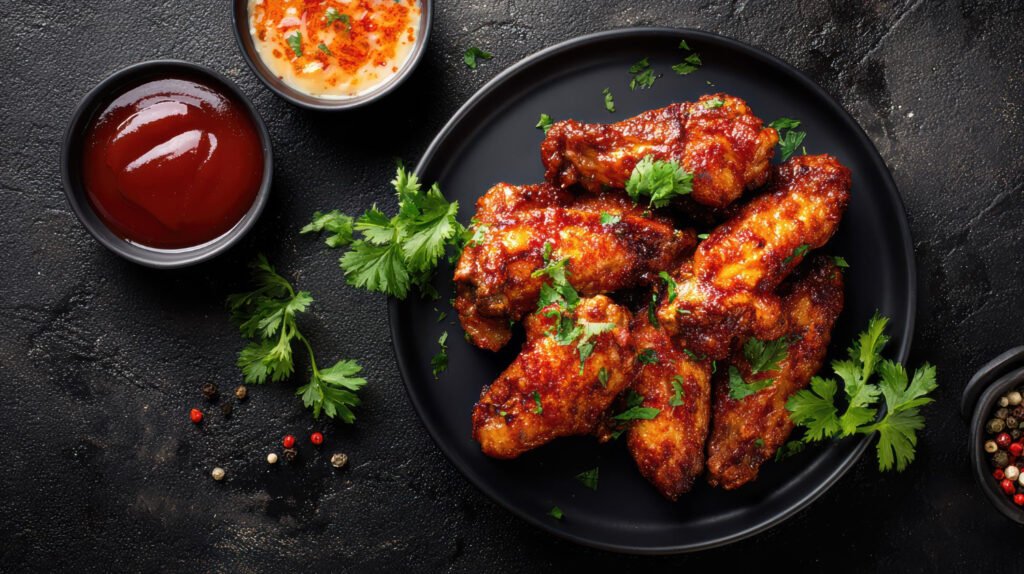
Real Charcoal Tandoor vs Gas: The 480°C Difference (And Why You Can Taste It)
Why we installed a real charcoal tandoor against every consultant's advice — and how 480°C clay-oven cooking is fundamentally different from a gas convection unit. Seven differences, three physics reasons, and eight dishes that need it.
Read →Come taste it for yourself
BHARAT Flavours Of India · Huai Khwang, Bangkok · 2 min from Grand Mercure · Open daily 9 AM to 11:30 PM