
Our chefs and kitchen team
Our curries, biryanis, breads and tandoor dishes are cooked by our chefs, Lakhpat Singh and Pankaj Singh, and the kitchen team, in our second-floor kitchen on New Phetchaburi Road in Huai Khwang. This page introduces the chefs and how the kitchen works: the charcoal tandoor, the masala and the dishes that come out of it.
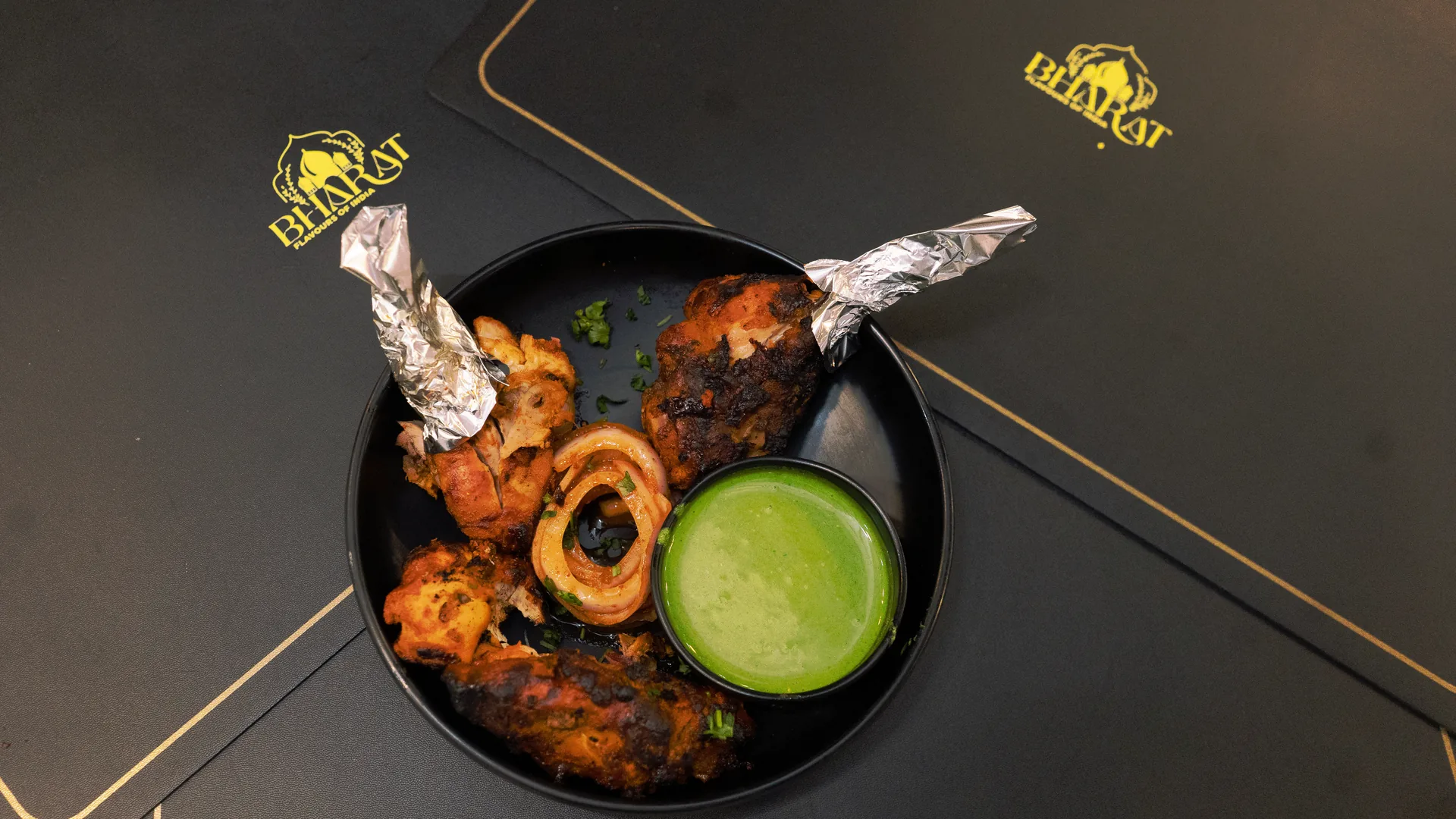
Our chefs
Lakhpat Singh and Pankaj Singh are both from Uttarakhand, in northern India. Both work the charcoal tandoor and the curries.
-
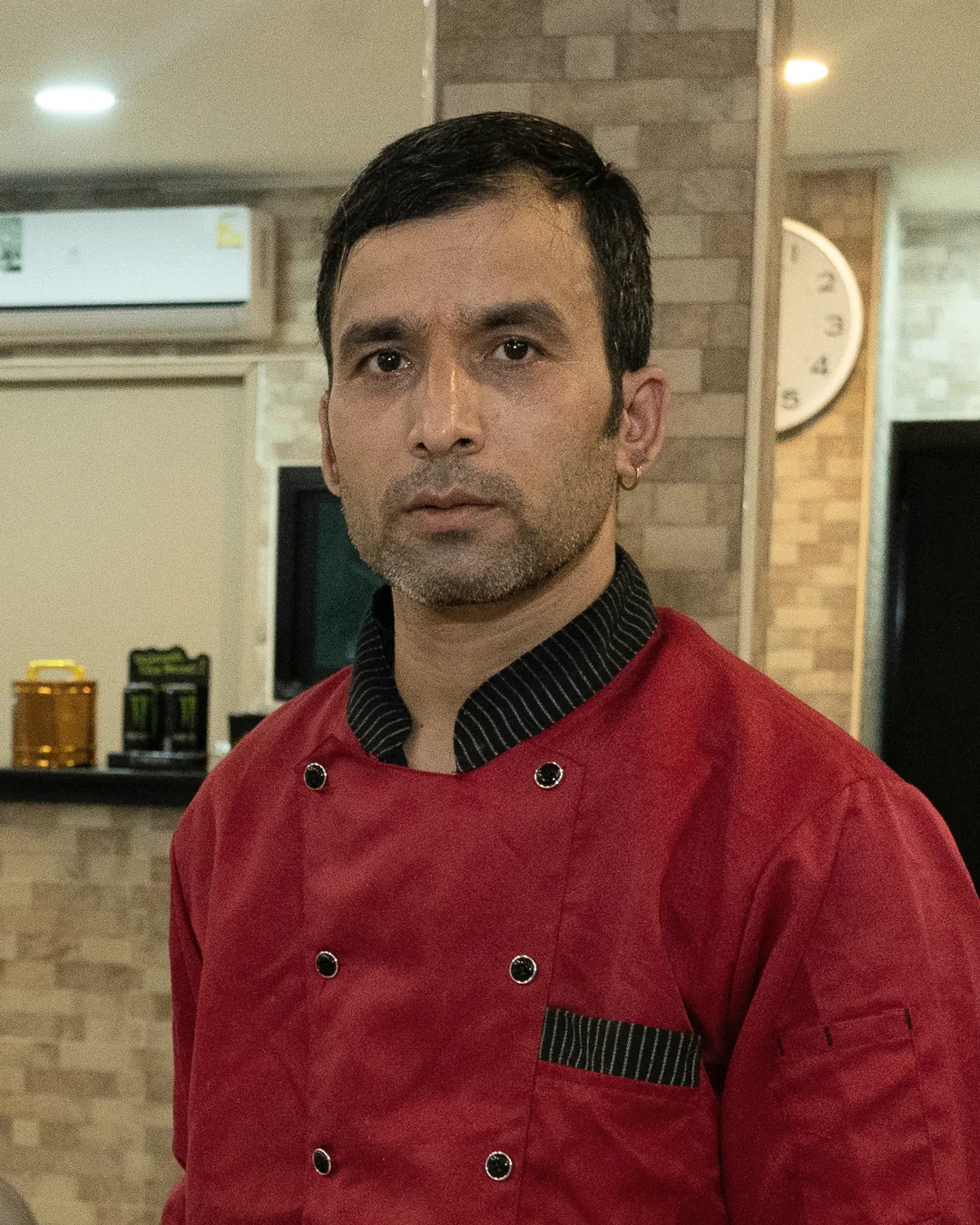
Lakhpat Singh
Chef, from Uttarakhand
Charcoal tandoor and curries
-
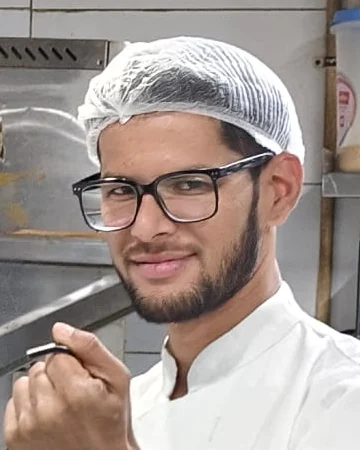
Pankaj Singh
Chef, from Uttarakhand
Charcoal tandoor and curries
What the kitchen cooks
The kitchen cooks the North Indian dishes on our menu: Punjabi-style gravies, Mughlai kormas, dum biryanis, tandoor breads and kebabs. Our Indo-Chinese dishes are the exception: those sauces are bought, then cooked to order on a high-flame wok station. Every dish, with its price, is on the full menu.
The charcoal clay tandoor
Our tandoor is a charcoal-fired clay oven that runs at about 480°C. It turns out the naan and roti, the tikkas and kebabs, and the tandoori chicken. The tandoor station is the most temperamental part of any Indian kitchen, and you can see the charcoal in every kebab and naan that comes out. Why charcoal vs gas matters →
Masala ground fresh each morning
Whole spices are roasted, cooled and ground in our kitchen every morning, and every North Indian gravy starts from that masala rather than a bought paste. It shows most clearly in our butter chicken and dal makhani. The dal makhani cooks for about eight hours, and the curd is set in-house every day.
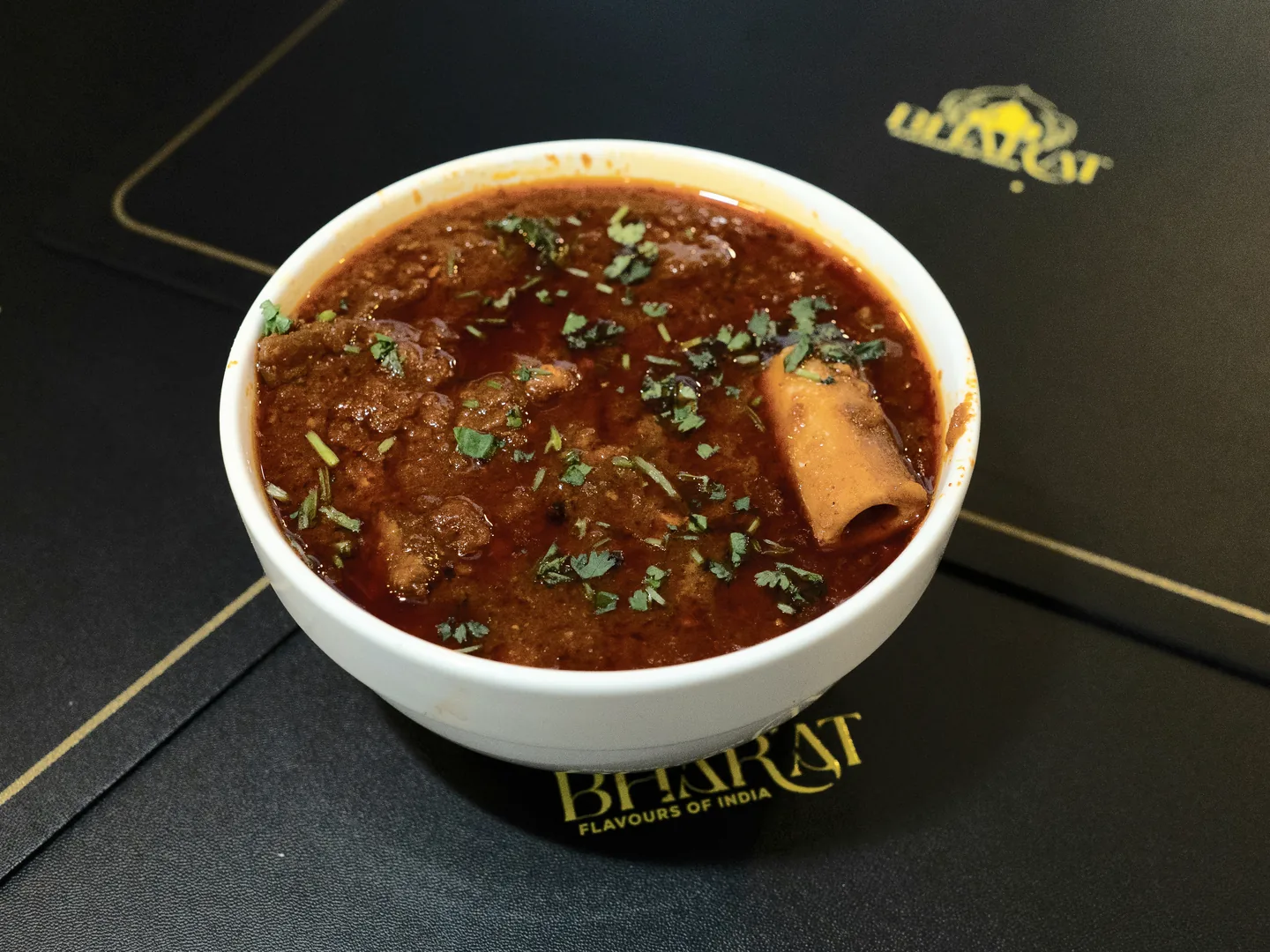
Cooked to order
- Fresh paneer. Our paneer is bought fresh rather than frozen, and each paneer dish is finished in its gravy when you order. You can taste it across our paneer and veg curries.
- Dum biryani. Our chicken and goat biryani are dum-cooked from raw: the marinated meat goes in raw under par-cooked rice, the pot is sealed and it cooks in its own steam for 35 to 45 minutes. Veg, egg, prawn and fish biryani are layered with the filling already cooked. All of them are on our biryani menu.
Halal-friendly sourcing
Our chicken is most often from the halal-marked CP Foods and Betagro lines, and our goat is halal-marked bone-in goat from our halal supplier. We are halal-friendly, not CICOT-certified. Details are on how halal works at BHARAT.
The kitchen
Our kitchen is on the second floor, above the dining room. This is by design: it gives the team proper space to work, keeps the heat and noise of cooking away from the dining room downstairs, and lets the exhaust from the tandoor vent cleanly without smoke drifting into the seating area.
Food travels from the second-floor kitchen to the ground-floor dining room by a dedicated service route, so dishes reach your table fresh, fast and at the right temperature. Prep (washing, chopping, marinating), the bread station (naan, roti and paratha; see the breads menu) and dishwashing all happen in the same kitchen.
If you would like to see the kitchen (most diners have never seen a tandoor up close), ask your server during a quiet moment and we will be happy to show you. For the dishes behind the menu, read our blog post on what Punjabi food actually is, or read how BHARAT came together.
Out front
Manjeet Singh manages the dining room and the service team. The restaurant itself is operated by Mr. Veg Company Limited, owned by Kanoktip Lergdee, with Litesh Dhir as director. You will find the same names on our page about the people behind BHARAT.
A message for the kitchen
If you would like to compliment a particular dish or ask about a recipe, your server will pass the message to the kitchen. Cooks and floor staff who take the craft seriously are always welcome to apply through our careers page.