
Real Charcoal Tandoor vs Gas: The 480°C Difference (And Why You Can Taste It)
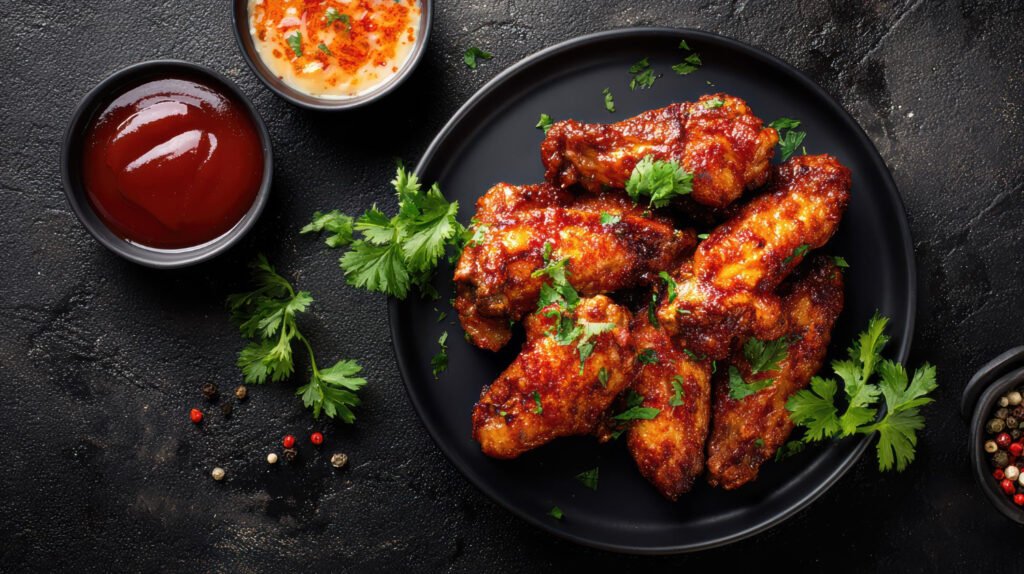
The first thing you smell when you climb the stairs to our second-floor kitchen at BHARAT Flavours Of India in Huai Khwang is the tandoor.
Charcoal. Marinade caramelising on the side of a clay oven. A faint hint of yeast from naan dough being slapped against the inside walls. If you have ever walked past a working dhaba on a side street in Amritsar, you know the smell. There is no other source of it.
We installed a real charcoal-fired tandoor when we built the kitchen in 2026, against the advice of every consultant we spoke to. They all said: gas convection. Cheaper. Safer. Easier to permit. No smoke management. We installed charcoal anyway. It cost more, took longer to commission, and failed inspection twice before we got the smoke handling right. We do not regret it. The reason comes down to physics, history, and one very specific thing your tongue can detect in 30 seconds.
Here is what a real tandoor actually is, why ours runs at 480°C, and what that means for the dishes that come out of it.
What a tandoor actually is
A tandoor is a cylindrical clay oven, traditionally made from a thick layer of clay mixed with sand, straw, and small fibers, fired hard, then mounted vertically with a fire pit at the bottom and an open mouth at the top. The shape matters: the cylinder traps and reflects radiant heat, while the open top vents smoke. A working tandoor builds heat from coals at the base, radiates that heat through the clay walls, and cooks food two ways at once — direct flame from below, radiant heat from the walls.
The earliest known tandoors are from the Indus Valley, roughly 5,000 years ago. They look almost identical to the one we use today. The technology has not needed to change because it works.
There are two ways to fire a modern restaurant tandoor: charcoal (or wood) and gas. Both can hit cooking temperatures. Only one produces smoke. Smoke is the entire point.
Charcoal vs. gas — what is actually different
We will get into the dish-by-dish differences in a minute. First, the seven things that change between a charcoal tandoor and a gas one:
1. Temperature ramp. Charcoal tandoors take 90 minutes to come up to full heat from cold. Gas tandoors come up in 20 minutes. Ours never goes fully cold — we top up the charcoal about an hour before service so the clay is already holding temperature when the first order comes in.
2. Top-end temperature. A well-banked charcoal tandoor sits between 460°C and 510°C. A gas tandoor maxes out around 320°C, 350°C in the very best models. That gap — 110°C to 190°C — matters more than you would think.
3. Smoke. Charcoal smoke is the entire reason to use a tandoor for tandoori chicken, mutton seekh, paneer tikka, and any kebab. Gas tandoors produce zero smoke. None.
4. Dryness. A charcoal tandoor's cooking environment is naturally drier than gas. Drier air means faster moisture evaporation, which means a better crust on naan and a sharper sear on meat.
5. Fuel character. Different charcoals produce different smoke profiles. We use Thai-sourced lump coconut-shell charcoal mixed with hardwood briquettes — the coconut gives a slightly sweet edge to the smoke, the hardwood gives the depth.
6. Maintenance. Charcoal tandoors need ash removal every morning, full clay-wall reseasoning every six months, and replacement of fire-pit grates yearly. Gas tandoors need almost none of this.
7. Cost. A real charcoal tandoor with proper ventilation costs roughly three to four times more than a gas unit, plus the ventilation and fire-suppression infrastructure. We spent more than we wanted on ours. We do not regret it.
Why temperature matters
At 480°C, three things happen to a piece of marinated chicken that cannot happen at lower temperatures:
Maillard reaction goes turbo. The browning reaction between amino acids and sugars accelerates exponentially with heat. At 350°C (gas tandoor), the reaction is happening but slowly — the chicken cooks through before the surface fully browns. At 480°C, the surface develops a deep mahogany char in 90 seconds while the inside is still raw. By the time the chicken is fully cooked, you have a perfect colour gradient.
Surface moisture flashes off. A 480°C clay wall hits a wet marinated surface and the moisture turns to steam in less than two seconds. That steam pressure pushes into the meat from the outside while the heat is searing the surface — you get tender, juicy interior with crisp, charred exterior. Gas tandoors at 320°C cook the moisture off slowly, drying the meat as it cooks.
Charcoal smoke is absorbed. Smoke molecules cling to wet surfaces. The faster the surface dries, the less smoke flavour sticks. But a 480°C tandoor flashes the surface so fast that the smoke gets locked into the still-tacky exterior in the first 30 seconds. The result: deep smoke flavour permeating only the outer 1mm of the meat — exactly where you want it.
This is why a tandoori chicken from a real charcoal tandoor tastes nothing like a tandoori-style chicken from a gas oven. Both can be technically "cooked." Only one tastes the way the dish is supposed to taste.
Inside our second-floor kitchen
Our tandoor sits on the second floor of the restaurant, in its own ventilated section. The location is deliberate. Tandoors throw heat. Tandoors throw smoke. A first-floor tandoor in a 30-seat dining room would mean 32°C dining temperatures and a lingering smoke smell on every guest's clothes. The second-floor kitchen has industrial extraction running into a dedicated chimney, which clears the smoke from the kitchen and routes it out through the building's roof vent.
Service flow: orders come up from the dining room via our kitchen ticketing system. The tandoor section is one of three stations (the other two are gravies and biryani). The chef on tandoor handles five things in parallel — chicken pieces, mutton seekh, paneer tikka, fish tikka, and naan. The food comes off the tandoor onto warmed plates, gets a final dusting of chaat masala or coriander, and travels back down to the dining room via the service route.
Total tandoor-to-table time: usually 4 to 6 minutes for a kebab, 90 seconds for a naan.
What needs a real tandoor
Some of these dishes are technically possible without a tandoor. None of them taste right.
- Tandoori Chicken — half or full bird, marinated overnight, cooked at 480°C. The defining dish.
- Chicken Tikka — boneless chicken pieces, faster cook, deeper char.
- Tandoori Mutton Seekh — minced halal-marked goat wrapped on metal skewers. ฿300.
- Paneer Tikka — cottage cheese cubes marinated in yogurt and spice, charred on the outside.
- Fish Tikka — bhetki or similar, marinated and tandoor-cooked.
- Tandoori Roti — whole-wheat bread slapped against the tandoor wall.
- Garlic Naan — the iconic bread, only possible at tandoor temperatures.
- Laccha Paratha — flaky multi-layered flatbread.
The tandoor is a big part of why our butter chicken tastes the way it does — our guide to real Punjabi makhani explains how the smoke gets into the gravy.
How to tell if your tandoor is real
When you visit any Indian restaurant in Bangkok and want to know if their tandoor is real:
1. Ask to smell the chicken before it is dressed. Real tandoor chicken smells of charcoal smoke. Gas-tandoor chicken smells of marinade only.
2. Look at the char pattern. Real tandoor produces irregular charring — black spots, slightly burnt edges, colour gradient from dark to light across the piece. Gas ovens produce uniform browning.
3. Ask to see the kitchen. A working charcoal tandoor cannot hide. You will see the chimney, hear the crackle, smell the coals.
4. Order naan and check the spots. Real tandoor naan has random brown spots from contact with the wall, plus a slight char on the bottom edge where it gripped the wall. Gas-oven naan is uniformly golden.
If you want to see ours, walk over to BHARAT in Huai Khwang. Ask any of our staff. We will take you up to the second-floor kitchen and show you the tandoor, the coal pit, the marinade station — all of it. We are happy to.
The tandoor section runs the whole time we are open, so if you want to see it working, book a table for an evening and order something off the tandoor part of the menu — the kebabs and the naan both come off the same clay wall.
More from BHARAT
If you want to read further, we go deeper into what comes off the tandoor and how we build the butter chicken on their own pages.
Frequently asked
What temperature does a real tandoor run at?
How long does it take to heat up a charcoal tandoor?
Why is the smoke important?
Can you make naan without a tandoor?
Can I see your tandoor?
Continue reading
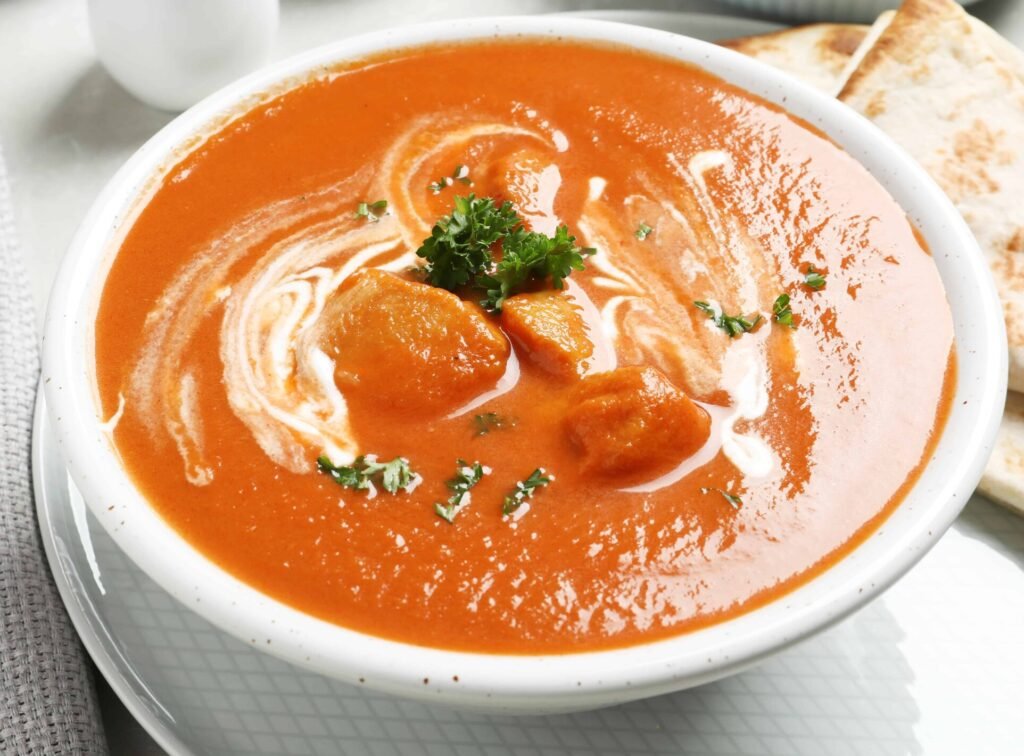
Best Butter Chicken in Bangkok: How to Tell Real Punjabi-Style From the Hotel Version
Butter chicken is the most ordered Indian dish in Bangkok — and the most often gotten wrong. Six markers that separate real Punjabi makhani from the generic version, plus where to find the real thing in Huai Khwang.
Read →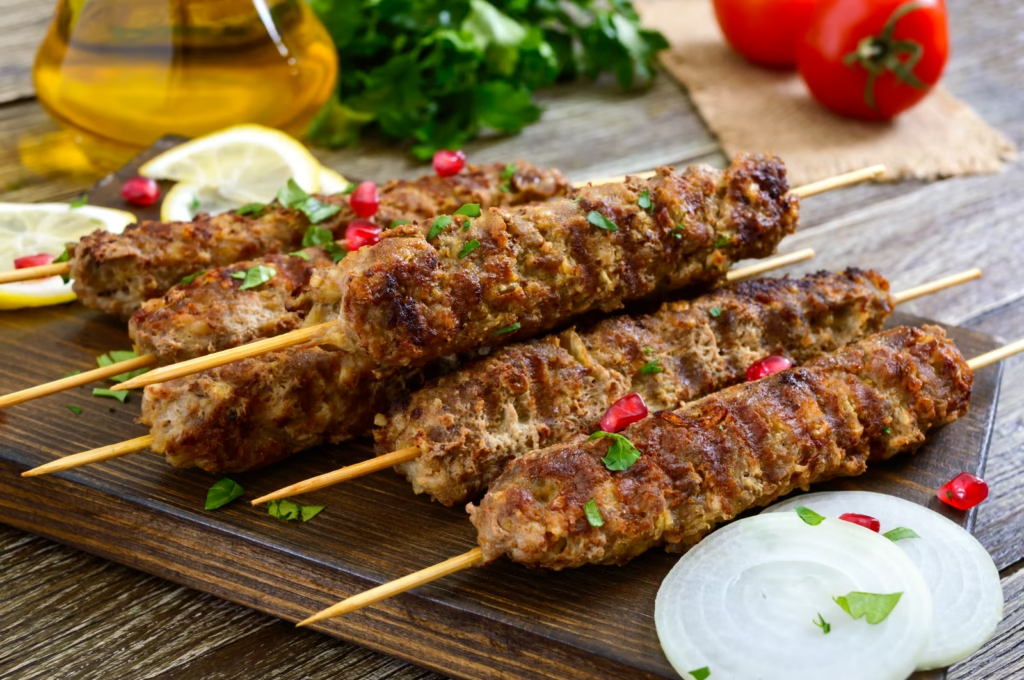
Halal Indian Food in Bangkok: How to Verify CICOT Certification at a Restaurant
How to verify halal at any Indian restaurant in Bangkok in 30 seconds. The four packaging markers, the five questions to ask your server, and an honest look at how BHARAT sources halal-marked meat from Makro daily (we are halal-friendly, not formally CICOT-certified at the restaurant level).
Read →Come taste it for yourself
BHARAT Flavours Of India · Huai Khwang, Bangkok · 2 min from Grand Mercure · Open daily 9 AM to 11:30 PM